The first time I really “saw” the city was through the reflection of a broken window. The blood-red halo of the neon sign flowed on my mechanical prosthesis, the rain slid down the invisible edge of the camera, and my face — the face that did not belong to me and was too delicate — looked back indifferently in the reflection. My name is R.E.A.C.H, a consciousness trapped in a strange mechanical body, woke up in the future city “Phoenix” imagined in the 1980s. And the world is telling me a black fairy tale about body, memory and resistance through a movie-like lens.
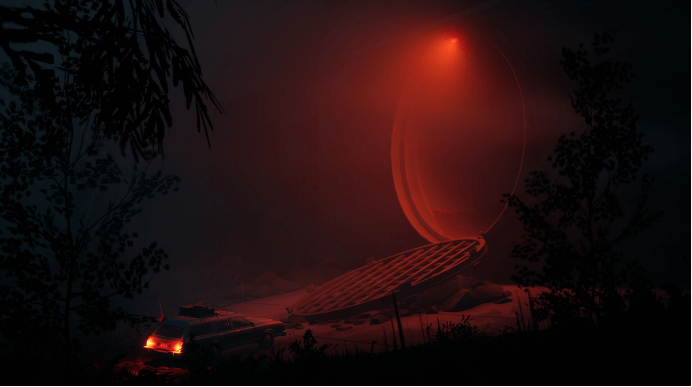
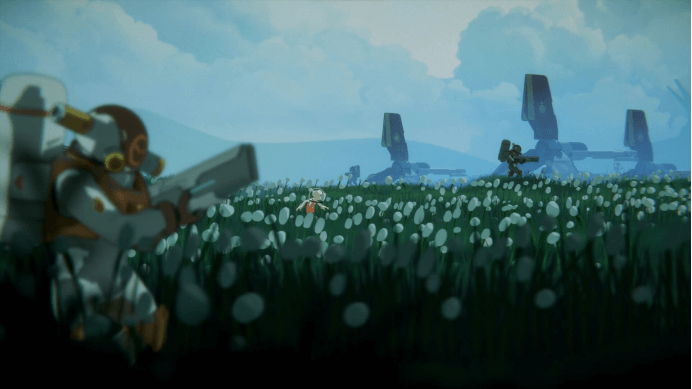
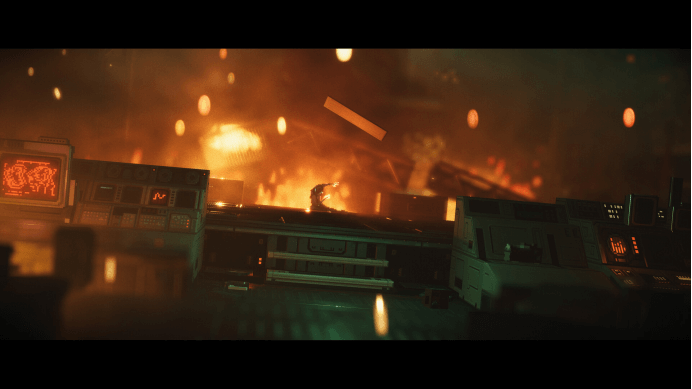
Every frame here is like a carefully composed movie picture. The lens will slowly push and pull as I move, turn into a tilted composition when passing through the dark alley, and suddenly open into a panoramic view when I climb a high-rise building. Light and shadow are not only decorations, but also the narrative itself: the searchlight of the tracker nails my shadow to the wall, the flickering bad lights in the slums expose the hidden clues, and the holographic advertisements in the rich area cover up the cruelty behind it with false warm tones. The 2.5D perspective allows me to shuttle between depth and plane. When climbing the ladder, the lens rotates, and when diving into the ventilation duct, the picture becomes narrower — every perspective change reminds me that you are both a character and a viewer of this movie.
Moving with a heavy sense of beauty. The sense of weight of the mechanical body is transmitted through the slow turning and the muffled sound of metal when landing. The battle is not a show-off, but a cruel dance based on physics: I throw the enemy into the distribution box to cause a short circuit, suck up the iron pipe with magnetic gloves to smash the monitor, and avoid the bullet trajectory in slow motion. But the most touching thing is not the destruction, but the sudden silent moments — when I sat down at the abandoned subway station, the camera pulled away, the rain dripped from the cracks in the ceiling, and the trumpet sound of street performers coming from the distance. The city is breathing, and I’m just a grain of dust in its lungs.
Memory invades with fragments. When walking through a street corner, the vision suddenly flashed, and strange memories were superimposed on the real scene: the same newsstand, the sun was shining, and a girl was buying soda with a smile — that was the memory of the original owner of this body. The game does not explain, but only presents. I gradually pieced together the truth in the task: the consciousness transplant plan, the erased poor, and the cleansing in the name of “evolution”. And my resistance started from finding “who I am” and turned into “who I want to be”.
NPC is not a function button. The crippled black market doctor hummed an old song when he helped me upgrade, the leader of the stray gang nervously played with the blade during the transaction, and the mysterious voice that always appeared in the phone booth gradually changed from a guide to a pleading: “Don’t become them.” There are few choices for dialogue, but each choice is like drawing a mark on the mirror — on the other side of the mirror is the soul I am shaping.
There is no heroic epic at the end. I stood on the top of the highest broadcast tower in Phoenix, with continuous neon and darkness under my feet. The mysterious voice finally confessed: she was the sister of the scientist from the source of my consciousness, and the original owner of my body was the lover who voluntarily sacrificed her life. I pressed the radio button. I didn’t send a revolutionary instruction, but just played an old song in her memory. The song resounded through countless screens throughout the city, and people looked up in the neon rain. I don’t know if this can change anything, but at that moment, at least we all remember that before we became tools, we were human beings.
After quitting the game for a long time, those camera languages are still imprinted in my eyes. _REPLACED_ tells me that the deepest dystopia is not oppression itself, but a society where even resistance is arranged into a landscape. And hope may be hidden in the reflection of a broken window — when you dare to stare at that strange self and decide to match him with his own melody.